Estrogen Receptor/ERR
Estrogen receptors are a group of proteins found inside cells. They are receptors that are activated by the hormone estrogen (17β-estradiol). Two classes of estrogen receptor exist: ER, which is a member of the nuclear hormone family of intracellular receptors, and GPER (GPR30), which is a member of the rhodopsin-like family of G protein-coupled receptors. The ER's helix 12 domain plays a crucial role in determining interactions with coactivators and corepressors and, therefore, the respective agonist or antagonist effect of the ligand. Different ligands may differ in their affinity for alpha and beta isoforms of the estrogen receptor: estradiol binds equally well to both receptors, estrone, and raloxifene bind preferentially to the alpha receptor, estriol, and genistein to the beta receptor. Estrogen and its receptors are essential for sexual development and reproductive function, but also play a role in other tissues such as bone. Estrogen receptors are also involved in pathological processes including breast cancer, endometrial cancer, and osteoporosis. Alternative promoter usage and alternative splicing result in dozens of transcript variants, but the full-length nature of many of these variants has not been determined.
Estrogen Receptor/ERR Isoform Specific Products
All Product Categories
-
Estrogen Receptor/ERR Inhibitors
(133)
View all products
-
Estrogen Receptor/ERR Agonists
(161)
View all products
-
Estrogen Receptor/ERR Antagonists
(107)
View all products
-
Estrogen Receptor/ERR Activators
(51)
View all products
-
Estrogen Receptor/ERR Modulators
(118)
View all products
-
Estrogen Receptor/ERR Chemicals
(2)
View all products
-
Estrogen Receptor/ERR Degraders
(73)
View all products
-
Estrogen Receptor/ERR Controls
(6)
View all products
-
Estrogen Receptor/ERR Ligands
(27)
View all products
-
Estrogen Receptor Proteins
(2)
View all products
-
ER-alpha Proteins
(1)
View all products
-
ER-beta Proteins
(1)
View all products
-
Estrogen Receptor/ERR Related Products (816)
Related Products (816)

-
Recombinant Proteins (2)
-
Antibodies (11)
-
Estrogen Receptor/ERR Isoform Comparison
-
Camizestrant
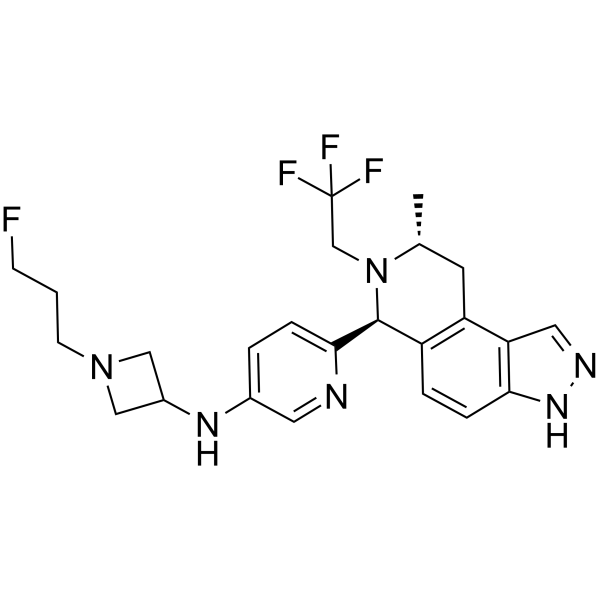 0 ImagesSynonyms: AZD-9833Camizestrant (AZD-9833) is a potent and orally active estrogen receptor (ER) antagonist. Camizestrant is used for the study of ER+ HER2-advanced breast cancer.
-
Cholesterol-d7
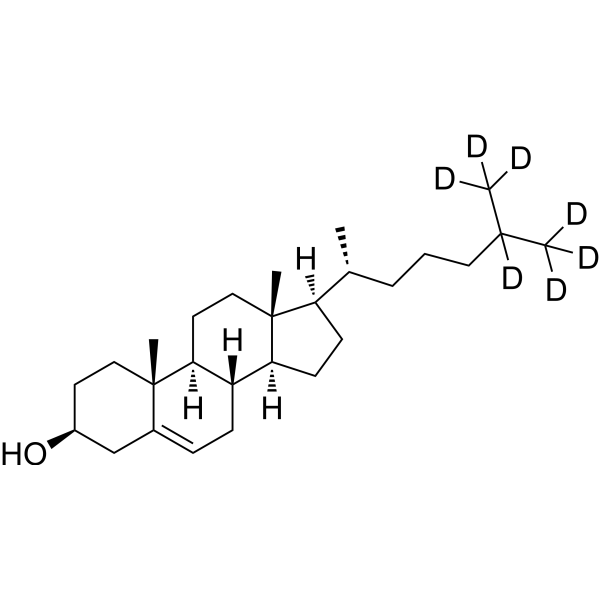 0 ImagesCholesterol-d7 is the deuterium labeled Cholesterol. Cholesterol is the major sterol in mammals. It is making up 20-25% of structural component of the plasma membrane. Plasma membranes are highly permeable to water but relatively impermeable to ions and protons. Cholesterol plays an important role in determining the fluidity and permeability characteristics of the membrane as well as the function of both the transporters and signaling proteins. Cholesterol is also an endogenous estrogen-related receptor α (ERRα) agonist.
-
Estriol
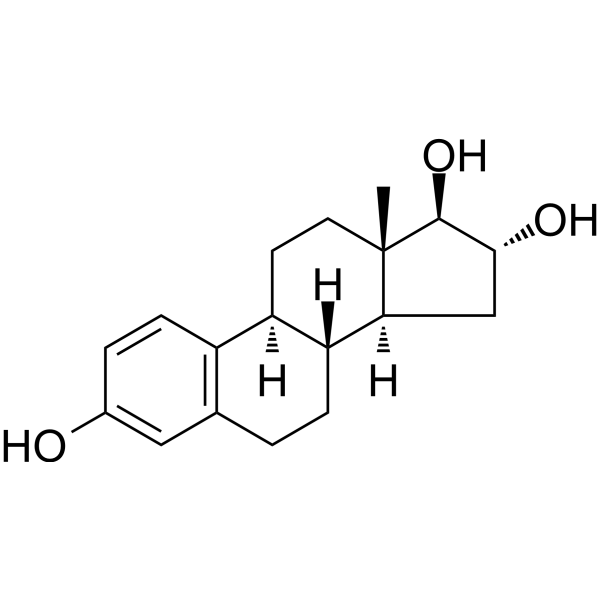 0 ImagesEstriol (Oestriol), an orally active estrogen, is a ERα and ERβ agonist. Estriol is a potent GPR30 antagonist in estrogen receptor-negative breast cancer cells. Estriol can ameliorate disease severity through immunomodulatory mechanisms that decrease tissue inflammation. Estriol has powerful proconvulsant effects.
-
Diethylstilbestrol
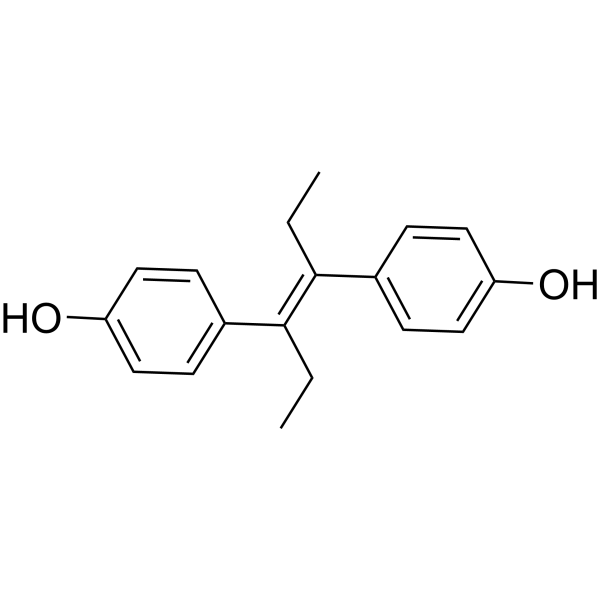 0 ImagesDiethylstilbestrol is a non-steroidal female hormone that has oral activity and can act on menopausal and postmenopausal disorders. Diethylstilbestrol can induce DNA oxidation and Apoptosis of spermatogonial stem cells. Diethylstilbestrol can induce thymocyte Autophagy Diethylstilbestrol is a 11β-hydroxysteroid dehydrogenase 2 (HSD11B2) inhibitor..
-
Genistin
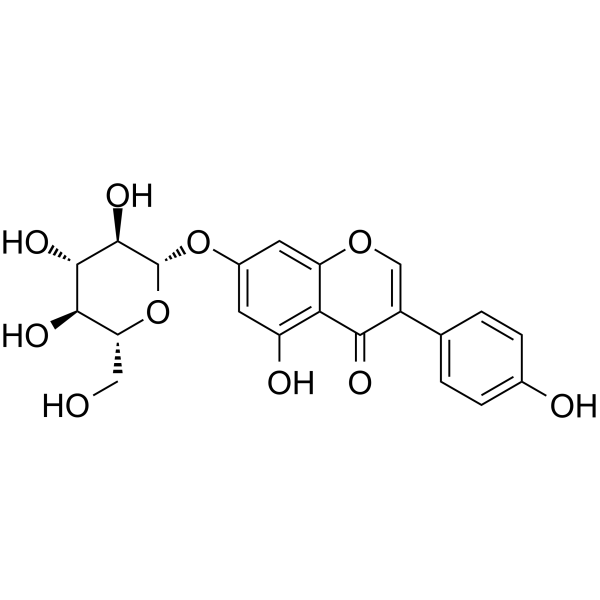 0 ImagesSynonyms: Genistine; Genistoside; Genistein 7-O-β-D-glucopyranosideGenistin (Genistine), an isoflavone belonging to the phytoestrogen family, is a potent anti-adipogenic and anti-lipogenic agent. Genistin attenuates cellular growth and promotes apoptotic cell death breast cancer cells through modulation of ERalpha signaling pathway.
-
Cholesterol (Standard)
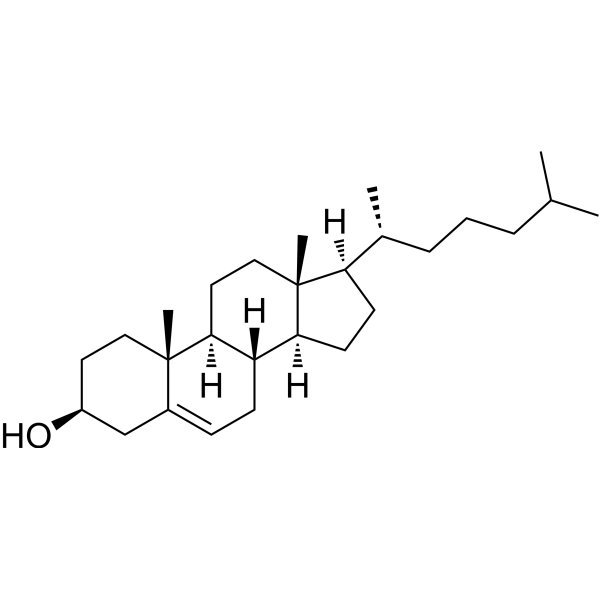 0 ImagesCholesterol (Standard) is the analytical standard of Cholesterol. This product is intended for research and analytical applications. Cholesterol is the major sterol in mammals. It is making up 20-25% of structural component of the plasma membrane. Plasma membranes are highly permeable to water but relatively impermeable to ions and protons. Cholesterol plays an important role in determining the fluidity and permeability characteristics of the membrane as well as the function of both the transporters and signaling proteins. Cholesterol is also an endogenous estrogen-related receptor α (ERRα) agonist.
-
Clomiphene citrate
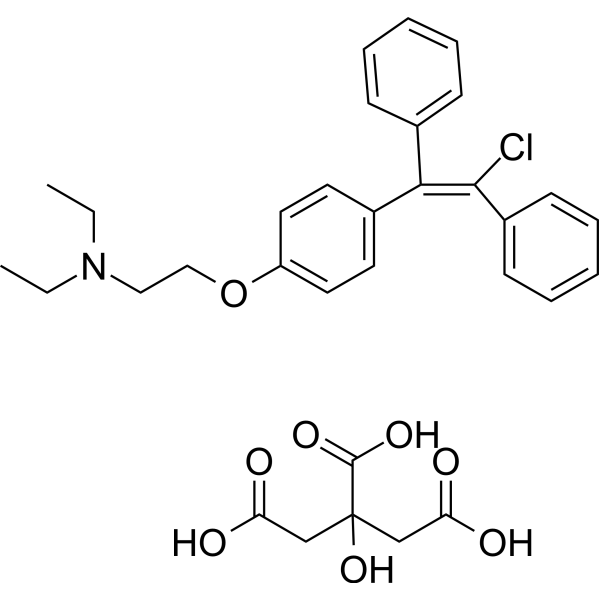 0 ImagesClomiphene citrate (Clomifene citrate) is an orally active estrogen-receptor modulator. Clomiphene citrate has anti-cancer actixity, induces perturbations during meiotic maturation and cytogenetic abnormalities and ameliorates in managing psychiatric and cognitive impairment.
-
Ro 48-8071
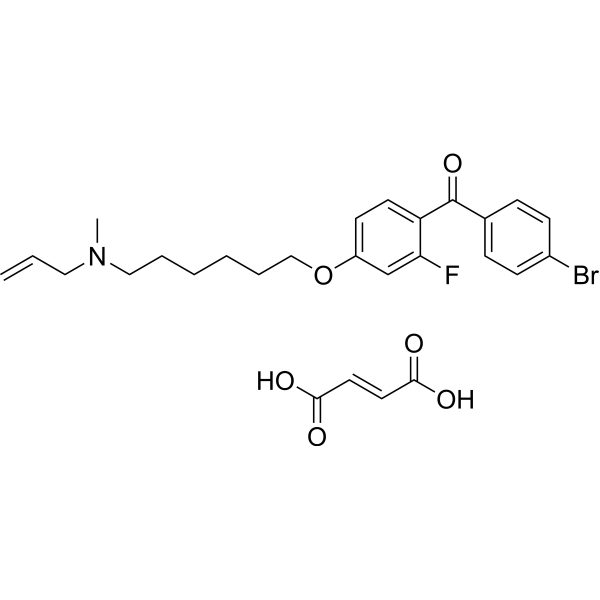 0 ImagesRo 48-8071 is an inhibitor of OSC (Oxidosqualene cyclase) with IC50 of appr 6.5 nM.
-
G36
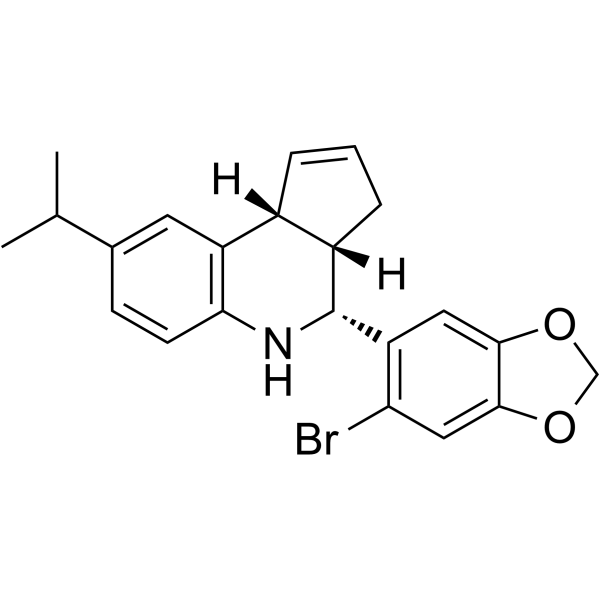 0 ImagesG-36 is a cell-permeable nonsteroidal antagonist of the G protein-coupled estrogen receptor (GPER/GPR30), which selectively inhibits estrogen-mediated PI3K activation through GPER, rather than Erα. G-36 also inhibits estrogen-mediated calcium mobilization (IC50=112 nM). G-36 is promising for research in the field of cancer.
-
MPP dihydrochloride
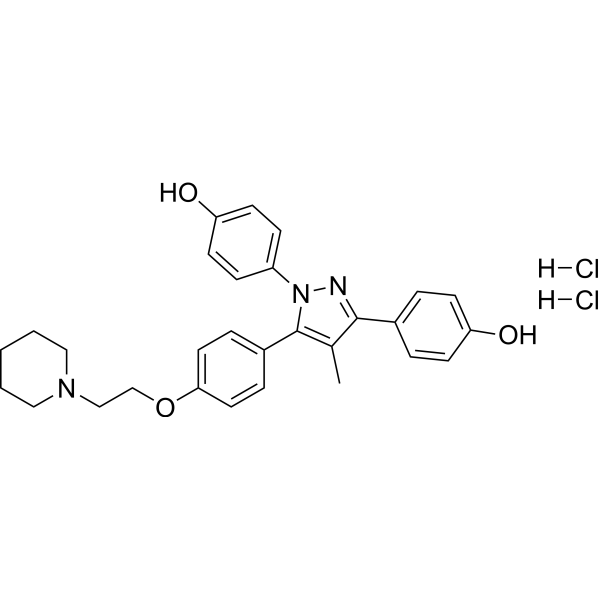 0 ImagesMPP dihydrochloride is a potent and selective ER (estrogen receptor) modulator. MPP dihydrochloride induces significant apoptosis in the endometrial cancer and oLE cell lines. MPP dihydrochloride reverses the positive effects of beta-estradiol. MPP dihydrochloride has mixed agonist/antagonist action on murine uterine ERalpha in vivo.
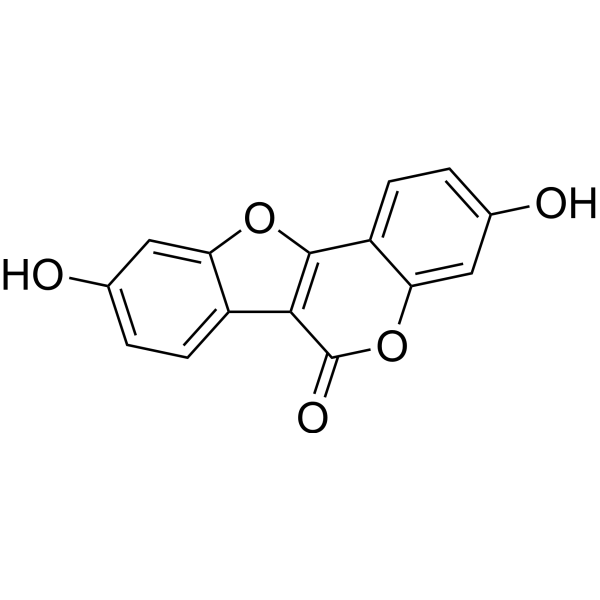
-
(20S)-Protopanaxatriol
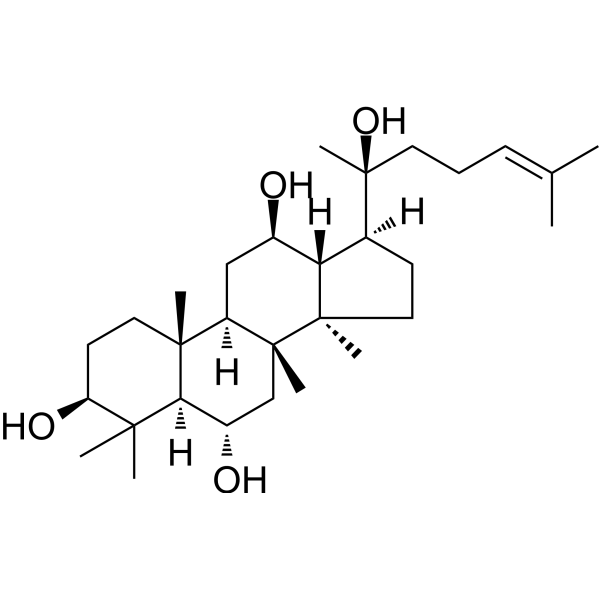 0 ImagesSynonyms: 20(S)-APPT; g-PPT(20S)-Protopanaxatriol is a metabolite of ginsenoside. (20S)-Protopanaxatriol works through the glucocorticoid receptor (GR) and estrogen receptor (ER), and is also a LXRα inhibitor. (20S)-Protopanaxatriol shows a broad spectrum of antitumor effects.
-
Kaempferide
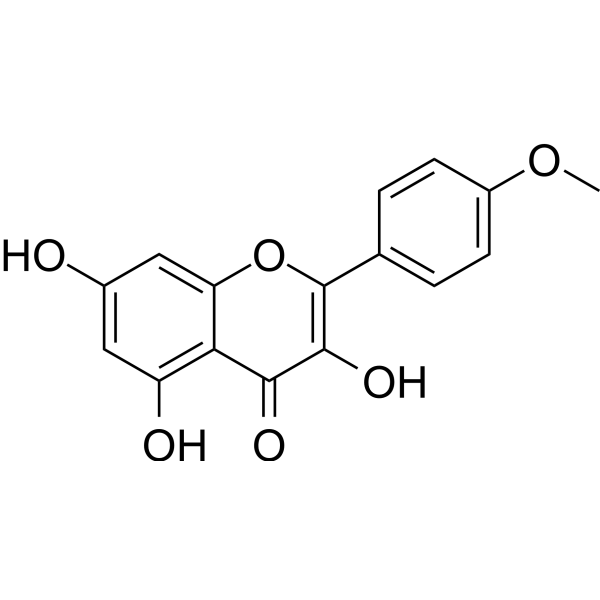 0 ImagesKaempferide is an orally active flavonol isolated from Hippophae rhamnoides L. Kaempferide has anticancer, anti-inflammatory, antioxidant, antidiabetic, antiobesity, antihypertensive, and neuroprotective activities. Kaempferide induces apoptosis. Kaempferide promotes osteogenesis through antioxidants and can be used in osteoporosis research.
-
4,4'-Sulfonyldiphenol
 0 ImagesSynonyms: Bisphenol S; Bis(4-hydroxyphenyl) sulfone4,4'-Sulfonyldiphenol (Bisphenol S; Bis(4-hydroxyphenyl) sulfone), a substitute for Bisphenol A (HY-18260), is widely used in industrial and consumer products. 4,4'-Sulfonyldiphenol is an oally ative estrogen receptor (ER) agonist and can competitively bind to thyroid hormone receptors (TR) with IC50 values for TRα and TRβ are 2650 μM and 2294 μM respectively, thereby affecting breast development and reducing the expression of androgen receptor (AR) in fetal testes. 4,4'-Sulfonyldiphenol promotes the progression of glioblastoma by upregulating the EZH2 mediated PI3K/AKT/mTOR pathway. Under chronic exposure, 4,4'-Sulfonyldiphenol can cause significant lipid deposition and dyslipidemia in the mouse liver by upregulating JunB and Atf3, and has a role in causing obesity at low doses. 4,4'-Sulfonyldiphenol induces intestinal inflammation by altering the intestinal microbiome. 4,4'-Sulfonyldiphenol accelerates the progression of atherosclerosis in zebrafish embryo larvae.
-
(±)-Equol
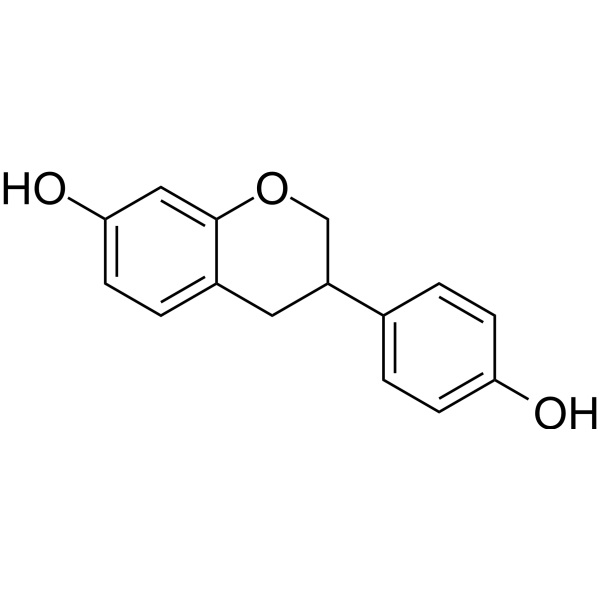 0 Images(±)-Equol is the racemate of equol. (±)-equol exhibits EC50s of 200 and 74 nM for human ERα and ERβ, respectively. Equol is a metabolite of the soy isoflavones, daidzin and daidzein.
-
Palazestrant
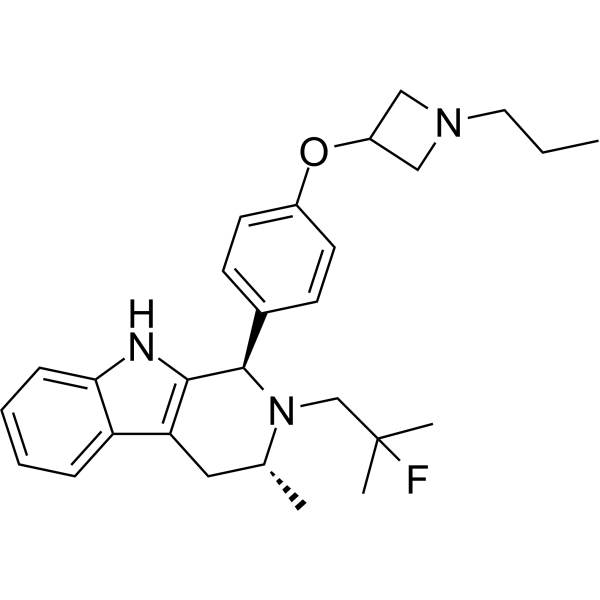 0 ImagesSynonyms: OP-1250Palazestrant is an antiestrogen and antineoplastic agent. Palazestrant can completely inhibit the activity of 17b-estradiol (E2) with IC50 value of 6.4 nM, and inhibit the proliferation of MCF7 and CAMA-1 cells with IC50 value of 1.4-1.6 nM. Palazestrant can inhibit ER+/HER2+ cancer.
-
AZD9496
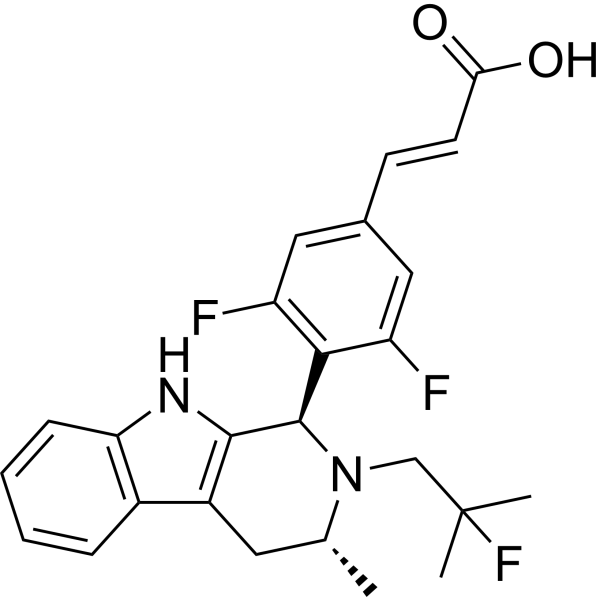 0 ImagesAZD9496 is an effective, selective estrogen receptor (ERα) antagonist with an IC50 of 0.28 nM. AZD9496 is an orally active, selective estrogen receptor degrader (SERD).